A good toddler lunch is a small, child-sized portion from the five food groups (grains, proteins, vegetables, fruits, and dairy), packed cold so it stays at or below 40°F. This guide covers good lunches for toddlers, from quick toddler lunch ideas to easy toddler lunch recipes, plus how to keep packed lunch ideas for toddlers safe. Whether you need an easy lunch for toddler days, toddler daycare lunches, or lunches for preschoolers, a reliable rotation makes the daily puzzle much easier.
What Does a Balanced Toddler Lunch Look Like?
A balanced toddler lunch uses child-sized portions from all five food groups. These lunch meals for toddlers are meant for children aged 1 to 3. HealthyChildren.org notes that between 12 and 18 months, toddlers commonly develop the self-feeding skills needed for independent eating. The CDC emphasizes that foods should be prepared in shapes, sizes, and textures suited to a child’s developmental stage. That applies whether you are planning lunch for a 13 month old, 14 month old lunch ideas, lunch for a 15 month old, or lunch for an 18 month old.
Typical toddler portions are about one-quarter of an adult serving. For everyday toddler lunch meals, aim for small, nutrient-dense portions rather than a large adult entrée:
- Grains: ¼ to ½ slice of whole-wheat bread, 1 to 2 crackers, or 4 tablespoons of rice or pasta.
- Proteins: 1 oz of meat, fish, poultry, or tofu; ½ an egg; 2 tablespoons of beans; or 1 tablespoon of thin nut butter.
- Vegetables & fruits: 1 to 3 tablespoons of vegetables, plus ½ piece of raw fruit or ¼ cup of cooked or canned fruit.
- Dairy: 4 oz of milk, ⅓ cup of yogurt, or ½ oz of cheese.
What Are the Best Cold Lunch Ideas and Easy Recipes for Toddlers and Preschoolers?
The best cold lunches taste great at room temperature or straight from an insulated bag, which is essential in no-reheat settings. These cold toddler lunch ideas and cold lunch ideas for 1 year old eaters work well for toddler lunch for daycare and toddler school lunch. Sandwiches, wraps, and roll-ups are portable and need zero preparation at school, which makes them simple toddler lunch ideas and easy toddler lunches for school.
Sandwiches and Wraps
- Nut-free spreads: Sunflower seed butter and jelly sandwiches, or hummus sandwiches and wraps.
- Roll-ups & pinwheels: Turkey tortilla roll-ups, banana tortilla roll-ups, vegetable cream cheese pinwheels, and butternut squash and cream cheese sandwiches.
- Sliders & mini bagels: BBQ chicken sliders, mini bagel sandwiches, French toast sandwiches, cheese waffle sandwiches, sweet potato quesadillas, and bean and cheese quesadillas.
- Fun favorites: Banana sushi (banana spread with sunflower seed butter and rolled in puffed rice or coconut flakes).
How Can I Pack Pasta, Grains, and Protein Lunches That Taste Great Cold?
Many warm, savory comfort foods work well cold, which makes them handy 1 year old daycare lunch ideas and toddler cold lunch ideas for daycare. They suit older children too, so they also work as ideas for pre-k lunches.
Pasta and Grain Lunches
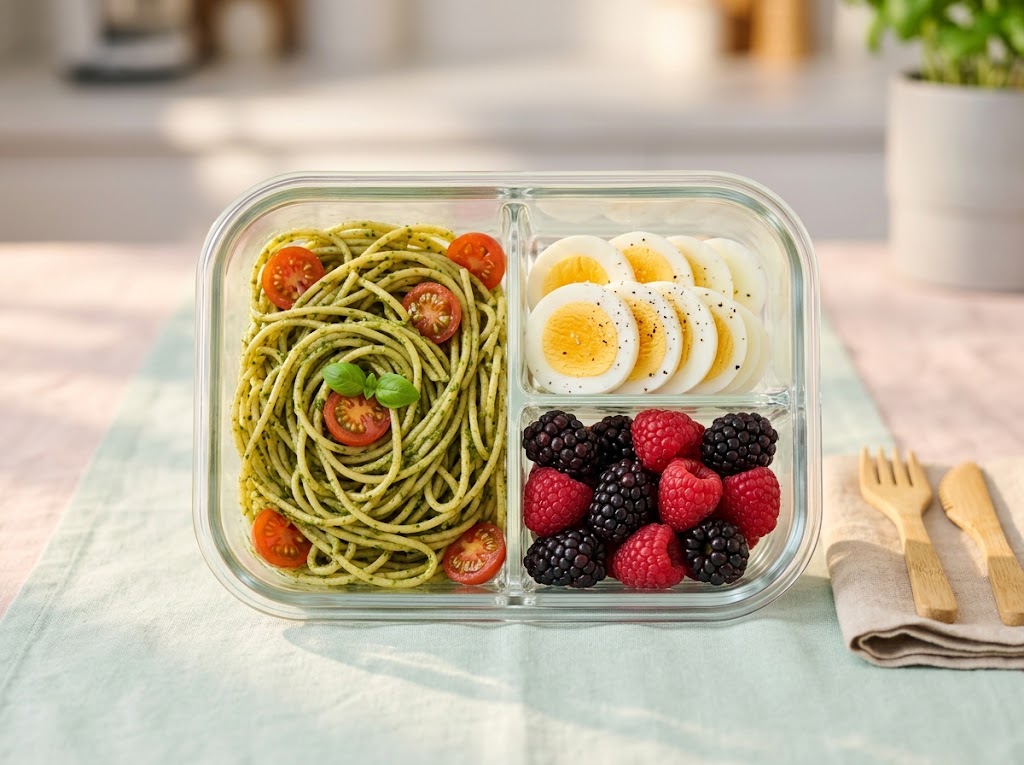
- Cold pasta salads: Deconstructed pasta salad, pesto pasta with chicken and vegetables, orzo salad with cucumber, tomato, feta, and quinoa, and vegetable-loaded pasta with mild tomato sauce and ground meat.
- Rice & oats: Korean-style rice balls (jumeokbap), cold rice and vegetable combinations, overnight oats, and egg oatmeal balls.
Protein-Rich Options
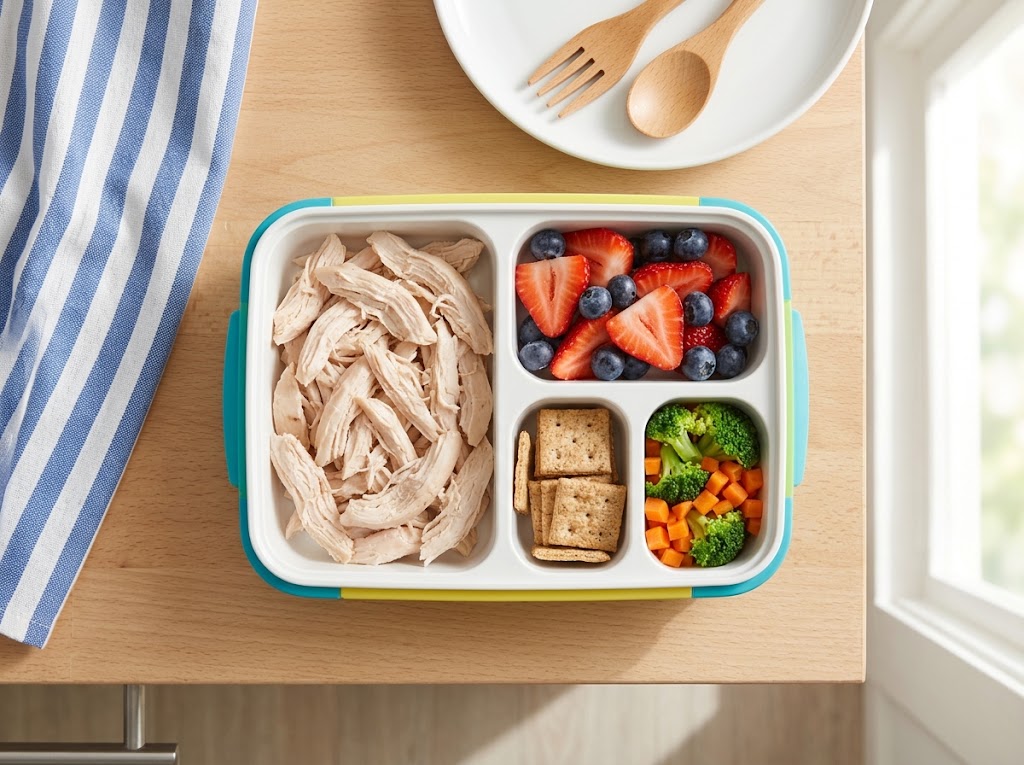
- Salads & shreds: Chicken salad, curry chicken salad, tuna salad, egg salad, turkey salad, and shredded or BBQ chicken served with pita or crackers.
- Meatballs & bites: Turkey meatballs, chicken and vegetable meatballs, nut-free pesto chicken meatballs, turkey and vegetable fritters, falafel, hard-boiled eggs, deviled eggs, egg bites, and broccoli bites.
- Dairy & tofu: Cottage cheese with fruit, whipped cottage cheese dip, and tofu- or bean-based protein options.
How Do I Get Vegetables and Fruit Into Lunchboxes Without a Battle?
Offer vegetables in a variety of forms, alongside familiar foods, to build acceptance without mealtime stress. Pairing familiar foods with new items encourages curiosity. These easy toddler lunch finger foods and easy lunches for 1 year olds make that simple:
- Fresh produce & sides: Fresh fruit combinations (berries, sliced bananas, apples, applesauce, peaches, mangoes, kiwi, oranges), crackers and cheese, hummus with vegetable dippers, yogurt cups, and applesauce pouches.
- Cooked & roasted veggies: Steamed or roasted vegetables, sweet potato patties, sweet potato tots, vegetable muffins, vegetable French toast, savory vegetable pancakes, broccoli and sweet potato pancakes, and roasted chickpeas.
- Raw veggies: Cucumber slices, carrot sticks, bell pepper strips, green beans, and peas served with a mild dip.
What Are Some Fun, Creative Lunchbox Ideas to Keep Things Interesting?
You can prevent lunchbox burnout by customizing standard recipes or trying playful themes that make healthy eating exciting. These ideas also work as lunch ideas for toddlers daycare and toddler preschool lunch ideas.
- Mini meals: Mini pizzas, pizza rolls, pizza muffins, mini burgers, savory waffles, savory cheese pancakes, and vegetable tots.
- DIY & charcuterie boxes: DIY nacho lunchboxes with chips, beans, and cheese; deconstructed snack-box lunches; and charcuterie-style toddler lunchboxes featuring colorful, separated finger foods.
Tip: Letting toddlers help choose a fruit or vegetable at the grocery store, or do simple kitchen tasks like stirring, can build natural interest in their food.
How Do I Prep Toddler Lunches Ahead of Time for Stress-Free Mornings?
Toddler lunch meal prep is the simplest way to take the pressure off busy mornings, and it works for quick lunch for toddlers days too.
- Batch cooking & freezing: Make large batches of turkey meatballs, sweet potato pancakes, mini muffins, and baked goods ahead of time. Many of these items freeze exceptionally well.
- Repurposing leftovers: Use roasted vegetables from dinner in next-day frittatas, or turn leftover rotisserie chicken into chicken salad, wraps, and pasta dishes.
- Night-before assembly: Pack non-perishable components, or the entire lunchbox, the night before and store it in the refrigerator so it starts the day as cold as possible.
How Do I Keep a Packed Cold Lunch Safe and Fresh for Daycare or Preschool?
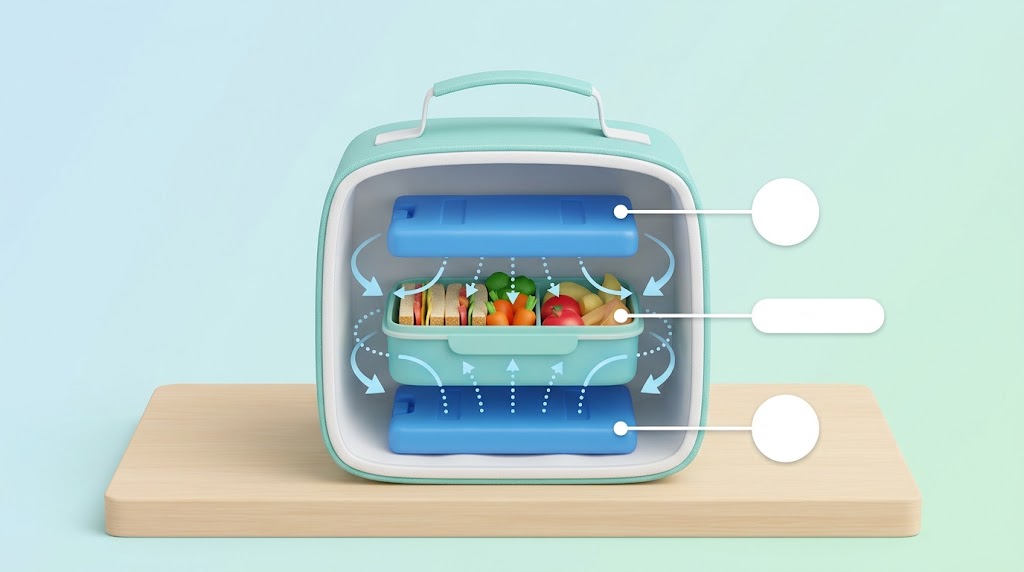
Keep perishable lunches cold with insulated bags and at least two cold sources. Food safety is paramount for young children, and proper chilling protects against harmful bacteria. These steps apply to any toddler daycare lunch and any lunch ideas for daycare, including daycare lunch ideas for 1 year old and daycare lunch ideas for 2 year old children.
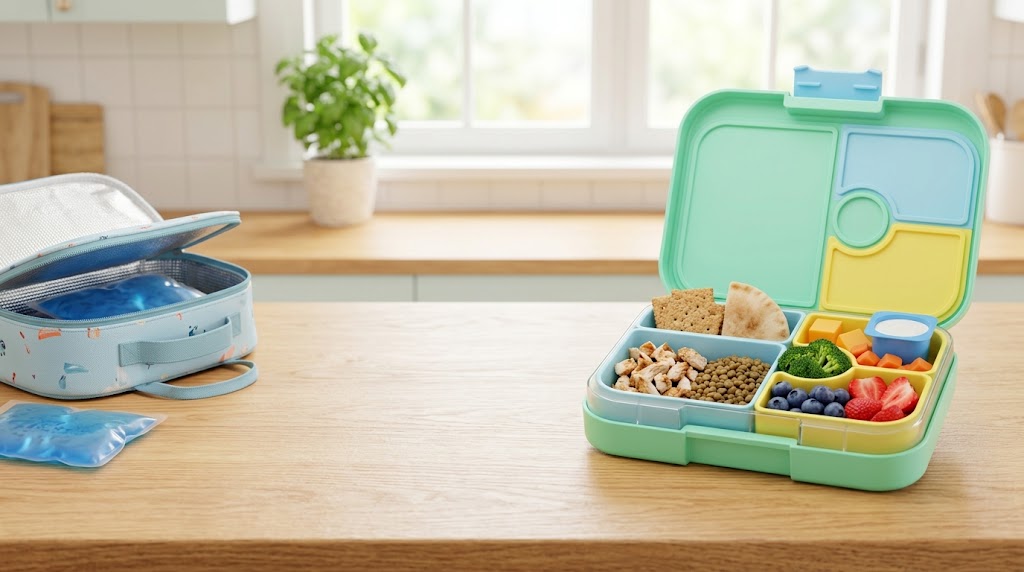
- Insulated bags: Always pack perishable items in an insulated lunch bag rather than a paper bag.
- The two-cooler rule: Use at least two cold sources, such as two frozen gel packs or one gel pack plus a frozen water box, positioned above and below perishable foods.
- The Danger Zone: The USDA identifies 40–140°F as the “Danger Zone,” where bacteria multiply quickly. Keep perishable food at or below 40°F, and discard perishable food left in the Danger Zone for more than two hours.
- Daycare storage: If your daycare has a refrigerator, ask for the lunch to be stored there immediately on arrival, with the bag or lid open slightly so cold air can circulate.
- Thermos alternatives: If you send warm items like soup or macaroni and cheese in a thermos, preheat the container with boiling water, empty it, add piping-hot food, and keep it sealed until lunchtime to maintain temperatures above 140°F.
How Do I Handle Daycare Policies, Picky Eating, and Food Allergies?
Check your program’s rules first, then build lunches around them. Many caregivers face hurdles when packing meals that fit school rules and toddler preferences.
- Daycare & allergy policies: Many programs have strict nut-free or egg-allergy policies and do not permit food reheating. Choose cold alternatives, and make sure children with food allergies have an emergency care plan and clear communication with staff.
- Managing picky eating: Never pressure a child to eat or punish food refusal, as this can worsen picky eating. Practice the “division of responsibility”: you provide regular, balanced meals and snacks, and your child decides whether and how much to eat.
- Choking prevention: Always cut food for young children into pieces no larger than one-half inch. Avoid high-risk choking hazards for toddlers under 4, such as whole grapes, popcorn, hard candies, whole nuts, and raw apple chunks. Always make sure your toddler sits calmly while eating.
For more on toddler nutrition, browse our feeding and nutrition articles here.
Quick Summary
- Balanced nutrition: Include small portions from all five food groups (grains, proteins, vegetables, fruits, and dairy), sized for toddlers at roughly one-quarter of an adult serving.
- Safe storage: Use insulated bags with at least two ice packs above and below perishable foods to keep items at or below 40°F.
- Variety & exposure: Offer familiar favorites alongside small portions of new foods, avoiding pressure and letting your child decide how much to eat.
- Preparation: Save time by batch cooking, using leftovers, and prepping components the night before.