

A newborn crying at the breast is very common and doesn’t mean your breastfeeding journey is failing. Crying and fussiness usually come from a handful of practical causes, from hunger and fast milk let-down to a simple need to burp, and most have easy fixes. This guide covers what your baby may be telling you, how to help, and when to seek professional support.
It can be distressing when feeding doesn’t look like the peaceful, sleepy images you see on social media. You are not alone.

Why is baby crying while breastfeeding?
Most fussiness while breastfeeding falls into a few practical categories. Here are the most common culprits:
- Hunger and late feeding cues: Crying is a late sign of hunger. Earlier signs include rooting, restlessness, rapid eye movements, and sucking on fists. Once a baby is crying, it can be much harder for them to latch properly.
- Milk flow frustration: A fast let-down or an oversupply of breast milk can overwhelm a baby, causing them to choke or splutter. A slow let-down or changing flow can make a baby impatient, especially if they’ve developed a preference for the faster, more consistent flow of a bottle.
- Developmental changes and growth spurts: As babies grow, they become more aware of their surroundings. A 10 week old fussy at breast might simply be distractible. Growth spurts also bring cluster feeding (feeding very frequently, sometimes hourly), which can look like fussiness but is a natural way to boost your milk supply.
- Physical discomfort: Teething and sore gums, a stuffy nose that makes breathing difficult while latched, or a diaper that needs changing can all cause a baby fussing while breastfeeding.
- Overtiredness and overstimulation: A baby who has been awake too long, or is in a noisy, bright environment, may be too tired or overstimulated to settle for a feed.
- Sensory and temperament differences: Some babies have higher sensory sensitivity or temperaments that make them more prone to unexplained or prolonged crying, often referred to as colic.
- The need to suck: Sometimes a baby wants non-nutritive sucking for comfort but gets frustrated when milk comes out.
Does the timing of the crying matter?
Yes. When the crying happens can give you major clues about the root cause.
- Before let-down: If your baby latches and unlatches while crying, or cries before the milk starts flowing, they may be frustrated by a slow let-down or simply overly hungry and impatient.
- During initial let-down: Coughing, pulling off the breast repeatedly, or milk spraying when the baby unlatches are classic signs of a forceful let-down.
- When milk flow slows: Crying after a few minutes of nursing often happens when the initial rush slows down and the baby has to work harder.
- Time of day: Many parents notice their baby nurses beautifully in the morning but struggles later. Late-afternoon and evening fussiness, including during bedtime feeds, is very common. This “witching hour” often coincides with lower milk volume (though the milk is fattier at this time) and general evening overtiredness.
- Sudden vs. intermittent: Intermittent feeding problems are usually tied to temporary issues like a missed nap or a growth spurt. A sudden onset of breastfeeding difficulties, or crying during both breast and bottle feeding, might signal illness or pain.
What signs and symptoms should I look for?
Your baby’s sounds and body language tell you a lot. A baby grunting while breastfeeding or a baby whining while nursing might just need a burp, but more intense symptoms warrant closer attention.
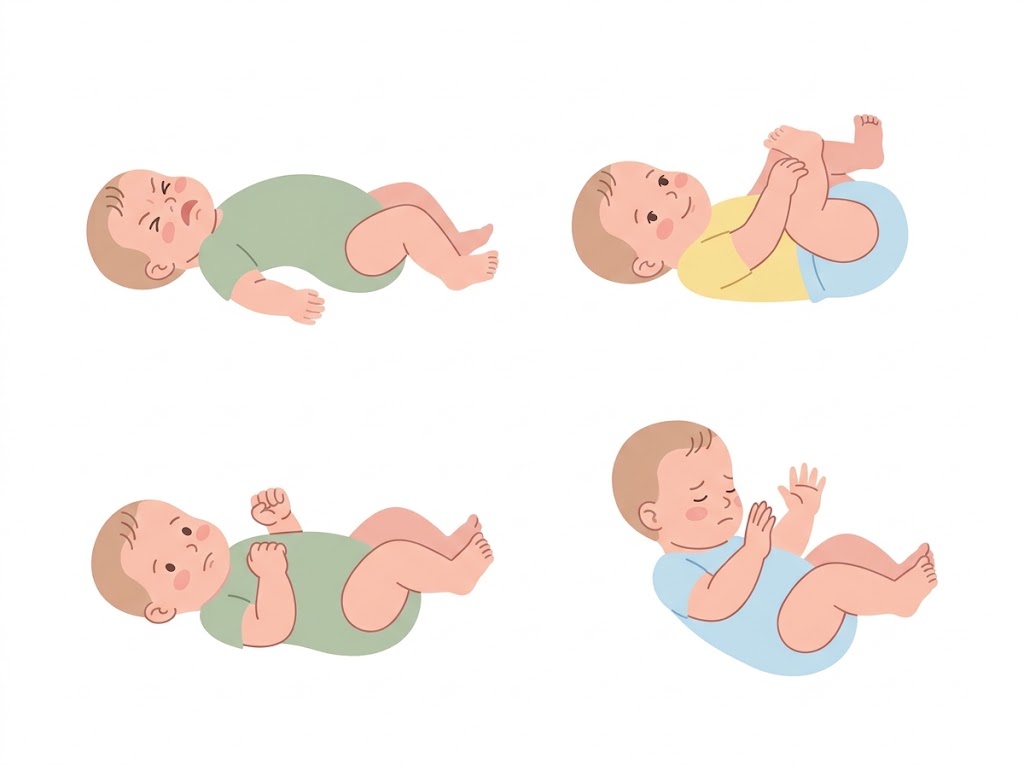
- Oversupply or fast flow: Gagging, coughing, or spluttering during feeds. You might also notice excessive gas, bloating, and green, frothy stools, which happen when a baby gets too much foremilk.
- Reflux or abdominal discomfort: Arching away from the breast, excessive spit-up or vomiting, gulping, or a hard and swollen abdomen.
- Oral discomfort or illness: Repeated head-turning or batting away, white patches in the mouth (a sign of thrush), sore or red gums, increased drooling, fever, or unusual sleepiness.
- Allergy: If a baby has food allergies, sensitivities, or reactions to foods in the mother’s diet (such as cow’s milk protein allergy), you might see a combination of rash, eczema, watery or foul-smelling stools, blood or mucus in the diaper, wheezing, and colic-like distress.
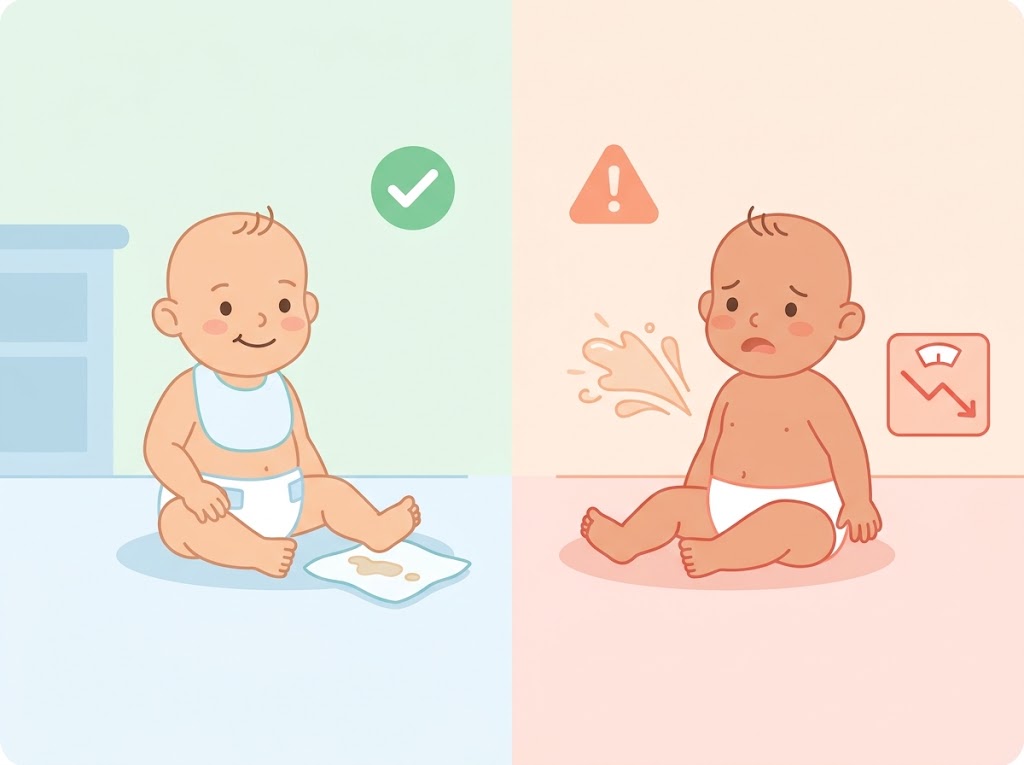
- Not getting enough milk: Poor weight gain, fewer wet or dirty diapers, difficulty staying awake while nursing, persistent hunger after feeding, or lethargy.
How can I calm my fussy baby right now?
Stop, reset, and address your baby’s immediate comfort. This works whether you’re facing a baby whining while breastfeeding or a full meltdown.
- Manage the air: A baby can cry at the breast because of gas or a missed burp. Try burping between breasts and during feeds. You can also hold the baby upright while burping, try gentle tummy massage, or use bicycle-leg movements to relieve gas.
- Calm the environment: Reduce noise and visual distractions. Feed in a quiet, dimly lit room using white noise or gentle shushing.
- Calm the baby: Avoid forcing a latch. Take a short break and try rocking, walking, gently bouncing, or skin-to-skin contact. A baby carrier or sling can help, and letting another trusted caregiver soothe the baby can give you both a reset. If your baby just needs to suck to calm down, offer a pacifier when appropriate.
- Adjust your position: If flow is fast, try laid-back or side-lying breastfeeding to let gravity slow the milk. You can also hand-express a little milk before nursing to manage forceful flow. Make sure you are fully supporting the baby’s body and legs.
- Adjust the flow: If flow is slow, try breast compression to increase milk delivery, or switch breasts when the flow slows.
- Catch the right window: Offer the breast in response to early feeding cues, or when the baby is calm, drowsy, or shortly after waking.
Why does my baby cry after breastfeeding?
The most common reason a baby cries after breastfeeding is trapped wind. It’s frustrating when a feed seems to go well and then the crying starts. A fussy newborn after breastfeeding might be experiencing:
- Trapped wind: A missed burp is the most common culprit.
- Still hungry: If your baby seems hungry even after a feed, they may need to return to the breast. Babies generally take what they need, but during growth spurts they may need to nurse longer.
- Reflux or indigestion: Moving from upright (or elevated) to lying flat after a feed can cause stomach acid to rise, leading to discomfort.
- Need for sleep: If your newborn cries after breastfeeding, they may simply be full and now realizing they are completely exhausted.
- Bowel movements: Digestion stimulates the bowels, and many babies cry or grunt as they pass stool or experience normal constipation concerns.
Should I worry about my milk supply?
A newborn fussing while breastfeeding doesn’t automatically mean your supply is low. Many parents assume it does, but cluster feeding is completely normal and doesn’t mean you’re doing something wrong.
If you are concerned, monitor your baby’s weight gain and diaper output. You can protect and increase your supply through effective milk removal, such as pumping when the baby cannot feed effectively or during a temporary nursing strike.
If breastfeeding is temporarily difficult, you might consider supplementing with expressed breast milk or combination feeding with formula. If you use bottles, use paced bottle-feeding techniques to mimic the slower flow of the breast.
It’s also important not to assume that bottle acceptance means breast rejection. Babies often calm down after a bottle simply because the flow is immediate and requires less effort, not because they dislike you or your breast. For ongoing feeding difficulties, always seek professional lactation support to balance your feeding goals with your baby’s nutritional needs.
Could a medical condition be causing the crying?
Most fussiness is developmental or flow-related, but a newborn screaming while nursing or intense breastfeeding crying during feeding can sometimes point to a medical issue.
- Oral-motor issues: A tongue-tie or lip-tie can make it exhausting or painful for a baby to maintain a latch.
- Infections and illness: Thrush (a fungal infection), ear infections (which cause pressure when swallowing), hand, foot, and mouth disease, or a simple stuffy nose can make nursing painful. Sudden, intense, or unusual crying often signals illness.
- Gastrointestinal issues: Gastroesophageal reflux, diarrhea, or, in rare, severe cases, pyloric stenosis (marked by violent, projectile vomiting) require medical attention.
- Allergies: Cow’s milk protein allergy considerations are valid, but seek professional guidance before changing the mother’s diet, as cutting out major foods unnecessarily can impact your own nutrition.
When to contact a healthcare professional: Seek immediate medical evaluation if your baby has poor weight gain, reduced diaper output (no wet diaper for 8 hours), is unusually lethargic, has a fever (especially if under 3 months), has persistent or inconsolable crying, or shows signs of dehydration. Also seek medical advice before using any over-the-counter gas-relief products.
How do I cope when feeding feels overwhelming?
Breastfeeding frustration and emotional exhaustion are valid. It’s entirely normal to feel rejected when a newborn cries at breast, but crying does not mean breast rejection. Your baby is communicating a need or frustration with the process, not with you.
Worry about milk intake and anxiety about weight gain can steal the joy from early parenthood. Protect your emotional well-being by asking partners, family, or friends for practical help. Let someone else burp the baby or change a diaper, and take breaks to protect your own rest.
Seek emotional support from breastfeeding groups, and avoid guilt about pumping or combination feeding. The ultimate goal is a calm, pressure-free feeding experience for both of you. When to take a break is entirely up to you. If you are both in tears, it is always okay to unlatch, hand the baby to your partner, and step away for five minutes.
For more feeding support, you can browse our feeding and nutrition articles here.
Other common questions parents ask
- Is breastfeeding fussiness a normal developmental phase? Yes. Babies go through numerous leaps and growth spurts. Fussiness often peaks around 6–8 weeks and improves as the baby grows and their digestive system matures.
- Can a baby be hungry and too tired to feed? Absolutely. This often looks like a baby screaming while breastfeeding after latching only briefly. Calming them to a drowsy state before re-latching often helps.
- Can feeding routines or wake windows affect nursing? Yes. Responsive feeding rather than a rigid schedule is usually best for breastfed babies, but watching wake windows ensures they don’t become too overtired to nurse effectively.
- Can changes in milk supply affect feeding behavior? Yes. As your milk regulates (usually around 6–12 weeks), the let-down may feel different to the baby, requiring an adjustment period.
- Can a baby refuse both breast and bottle? Yes, usually due to extreme overtiredness, illness, or oral pain (like teething). If a baby refuses all feeds and shows signs of dehydration, contact a doctor immediately.
Quick summary
A baby fussy while nursing is incredibly common and rarely means the end of your breastfeeding journey. Whether your baby is frustrated by a fast or slow flow, going through a growth spurt, needing a burp, or simply overtired, there are practical steps you can take.
- Watch for early hunger cues to prevent crying before feeds.
- Try different feeding and burping positions.
- Take a break if you both become overwhelmed.
- Monitor wet diapers and weight gain for peace of mind.
- Reach out to a lactation consultant or pediatrician if you suspect pain, illness, or an oral-motor issue.