
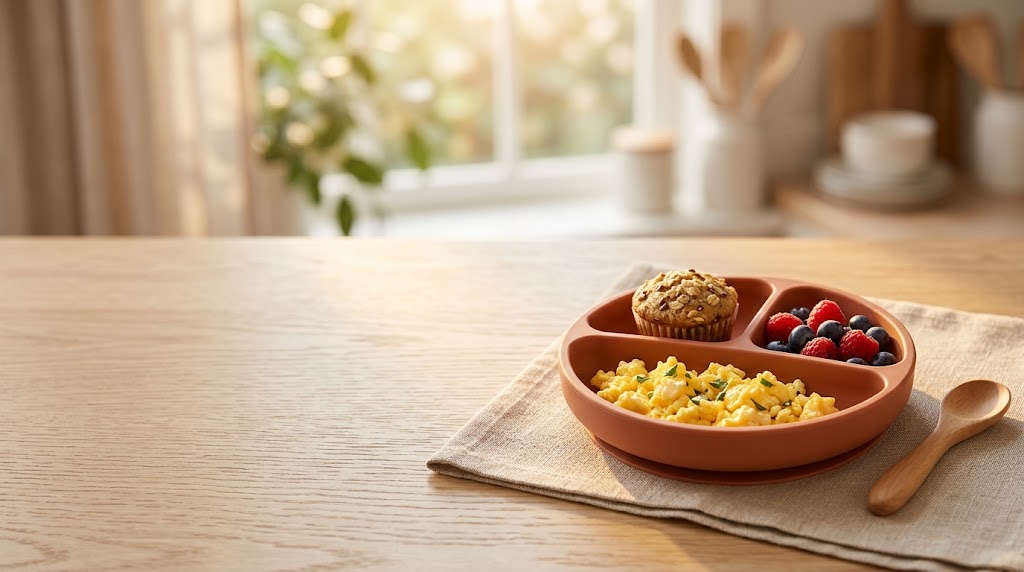
The simplest healthy toddler breakfast combines protein or dairy, a fruit or vegetable, and a whole grain or starchy food. Most of these can be prepped on the weekend, so busy mornings take far less effort. Whether you want an easy breakfast for toddler mornings or help with stubborn food refusals, this guide gives you a reliable toolkit.
Morning routines with young children can feel like a high-stakes balancing act. Between getting dressed, packing bags, and rushing out the door, deciding what to feed your child can become a daily stress. Having a few go-to options changes everything.
For more guidance on feeding and nutrition, you can browse our library here.
What does a healthy, balanced toddler breakfast actually look like?
A balanced toddler breakfast combines protein, fruits or vegetables, and whole grains or starchy foods. This makes it an ideal window to provide essential fiber, calcium, and vitamin D. Breakfast also gives toddlers the energy they need for active play and concentration, which helps prevent mid-morning meltdowns and reduces the urge to reach for less-nutritious snacks later.
Portion sizes are much smaller than most adults expect. This holds whether you are looking for breakfast ideas for a 1 year old, breakfast ideas for 16 month old toddlers, or toddler breakfast ideas for 3 year old preschoolers. A toddler-sized serving is roughly one-quarter of an adult portion. A classic balanced plate might include:
- ½ cup of low-fat or nonfat milk (or fortified plant-based milk)
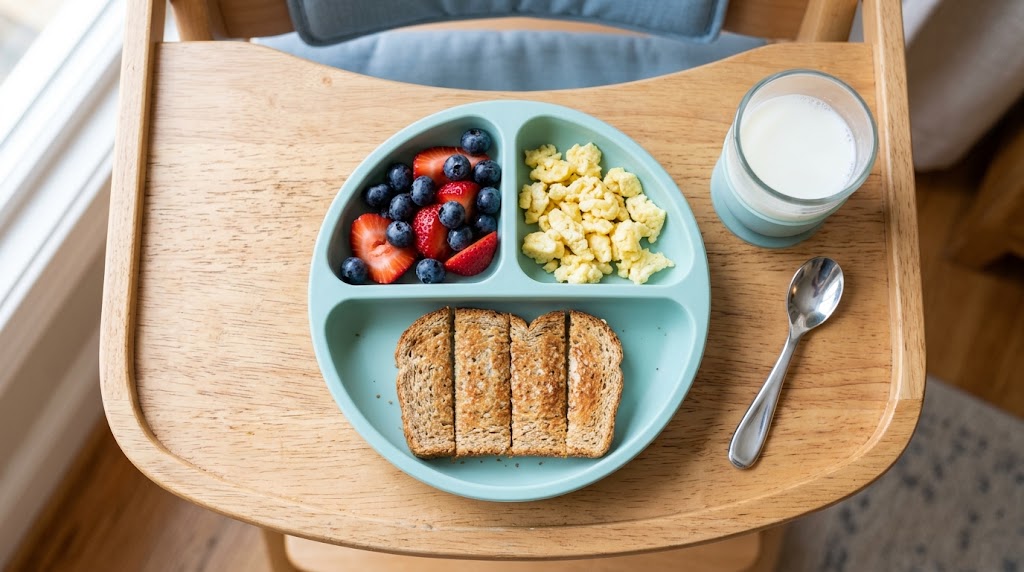
- ½ cup of iron-fortified whole-grain, low-sugar cereal (under 10–12 grams of sugar and at least 2–3 grams of fiber per serving) or one slice of whole-grain toast
- ⅓ cup of fresh fruit
- One egg (scrambled, hard-boiled, or in an egg muffin)
Plain milk and water are the best beverage choices. Juice should be delayed until age two to protect developing teeth and prevent a lifelong preference for sweet drinks.
How can I plan and prep make-ahead breakfasts to save time on busy mornings?
A simple formula makes planning easy: protein or dairy + fruit or vegetable + whole grain or starchy food. A solid toddler breakfast meal prep strategy built on this formula eliminates decision fatigue and morning chaos, and it makes batch cooking and weekly planning effortless.
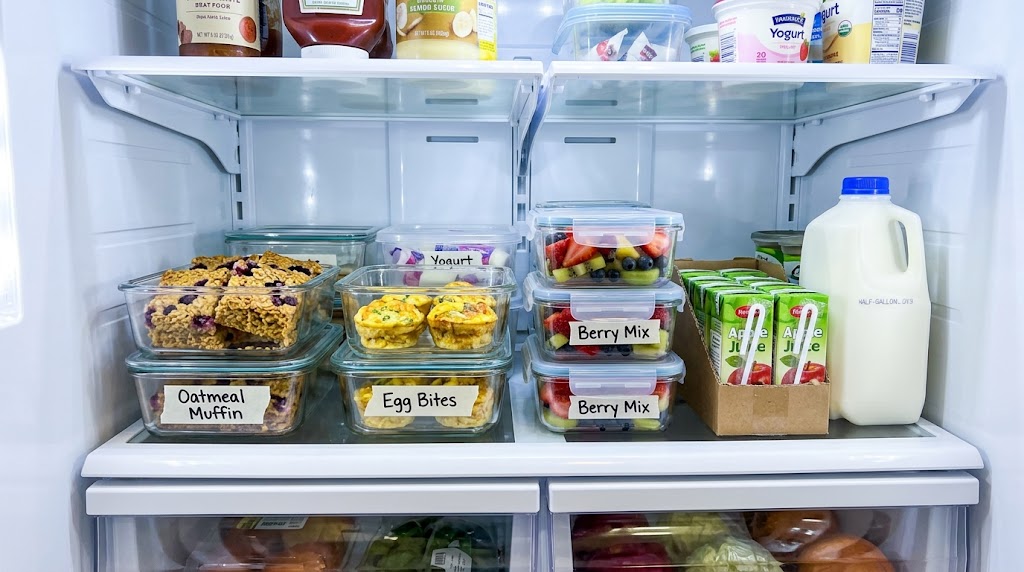
Make ahead toddler breakfast options let you cook in bulk on the weekend and store food safely for the week. These healthy toddler breakfast recipes are family favorites:
- Overnight Oats & Chia Puddings: Mix rolled oats, chia seeds, milk, and mashed banana or mango in jars the night before. They soften overnight into a creamy, nutrient-dense meal.
- Freezer-Friendly Muffins & Baked Oatmeal: Bake zucchini-banana bread muffins, carrot-zucchini mini muffins, or apple-cinnamon baked oatmeal in bulk. Portion them into single servings and freeze in airtight bags. On busy mornings, pop them into the toaster or microwave for 30 seconds.
- Egg Bites and Sheet-Pan Eggs: Whisk eggs with spinach, cheese, or finely chopped broccoli and bake in a muffin tin for portable, protein-rich egg cups.
- Fruit & Vegetable Prep: Slice fresh berries, wash grapes (remember to quarter them for safety), or prep frozen smoothie bags with banana slices, spinach, and peach chunks. In the morning, you only have to blend with milk.
Involving your toddler in simple prep makes them more enthusiastic about eating. Stirring dry ingredients, tearing washed greens, or washing fruit all count, and children are far more excited to eat what they helped create.
What are some quick, easy breakfast ideas using everyday ingredients?
You don’t need gourmet recipes to serve nutritious, appealing breakfasts for toddlers. When cupboards are running low, everyday pantry staples and quick-assembly items can rescue your morning and serve as toddler friendly breakfast ideas. These toddler breakfasts need minimal cooking:
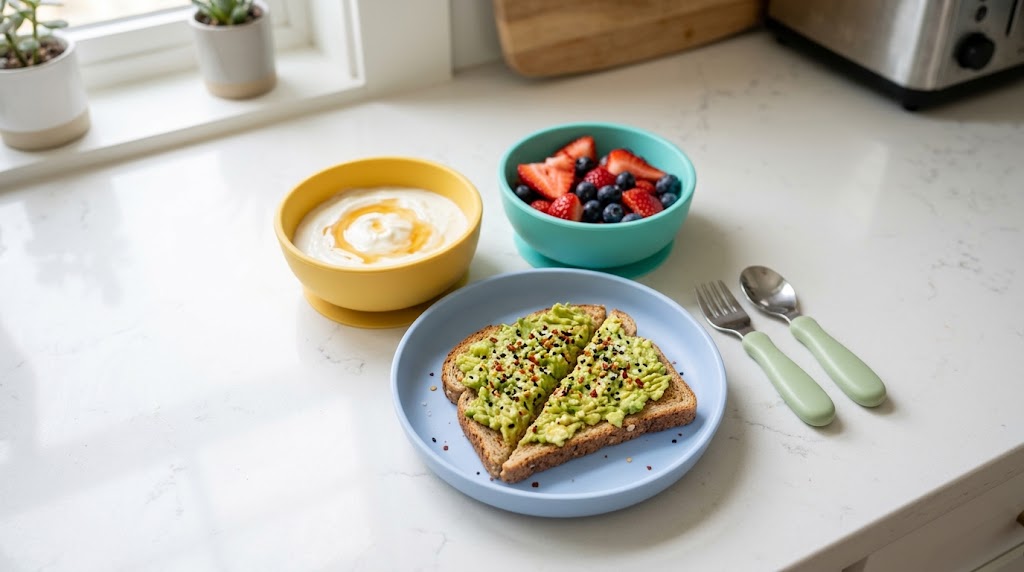
- Toast Variations: Spread whole-grain bread or bagels thinly with peanut butter, smashed avocado, cream cheese, or melted cheese and tomato slices.
- Yogurt and Cereal Bowls: Pair plain Greek yogurt with customizable fruit toppings, or offer dry low-sugar Cheerios with sliced bananas and a cup of milk.
- Cottage Cheese & Fruit: Serve mild, creamy cottage cheese alongside peach slices or applesauce pouches.
- Nontraditional Breakfasts: You don’t have to stick to traditional breakfast foods. Toddlers often love leftover dinner items like whole-wheat pasta, vegetable soup, chicken strips, or a slice of cold pizza.
These versatile options keep breakfast foods for toddlers exciting, and they use ingredients you likely already have on hand.
How can I handle a picky eater who refuses breakfast or gets bored with familiar foods?
Your job is to offer safe, healthy, varied options, and your child decides whether and how much to eat. This is the fundamental division of responsibility in child nutrition, and it is the best starting point if you are hunting for picky eater toddler breakfast ideas or picky toddler breakfast ideas. Feeding a selective toddler can test any parent’s patience, but these strategies help you handle breakfast strikes, food boredom, and mealtime resistance without turning the table into a battleground:
- Maintain a Predictable Routine: Keep meal and snack times consistent so your toddler’s internal clock knows what to expect.
- Serve Micro-Portions: Overwhelming plates cause instant meltdowns. Start with tiny portions, such as three quartered strawberries and a tiny sliver of toast, and let your child ask for seconds.
- Pair New with Familiar: Always include at least one food your child already loves and accepts right alongside a new or previously rejected item.
- Embrace Repeated Exposure: It can take 8 to 10 exposures (or even more) for a toddler to accept a new food. Stay calm, avoid pressuring or bribing, and keep offering rejected foods without making a fuss.
- Offer Limited Choices: Give your toddler autonomy by letting them choose between two healthy options, such as “Would you like banana oat pancakes or scrambled eggs today?”
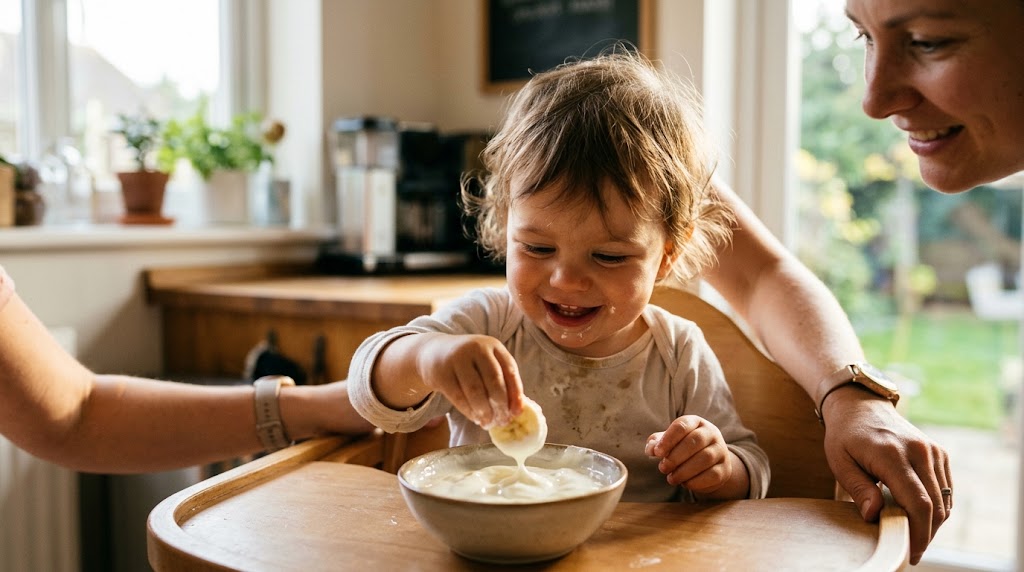
How should I adapt textures, presentations, and flavors for sweet or savory preferences?
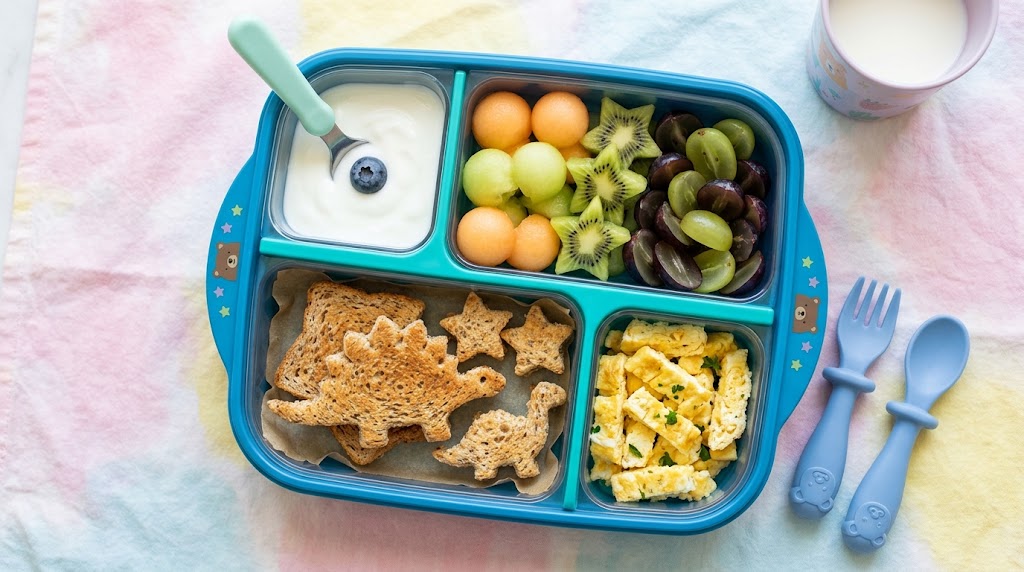
Matching breakfast to your toddler’s sensory preferences makes eating easier. Toddlers are notoriously sensitive to how food feels, looks, and tastes. Some children gravitate toward sweet breakfast options like maple syrup and fruit, while others prefer savory flavors like cheese, eggs, and toast. You can easily adapt textures and presentation to suit your child:
- Crunchy vs. Soft: If your toddler loves crunch, try air-fryer waffles, toasted bagel strips with dipping sauces, or dry cereal snacks. For soft preferences, opt for creamy yogurt bowls, scrambled eggs, or smooth oatmeal.
- Playful Presentation: Use cookie cutters to turn ordinary toast into fun shapes, or arrange food on compartmentalized plates where ingredients don’t touch.
- Hidden Vegetables & Smoothies: Blend spinach, zucchini, or cooked beets into fruit smoothies, pancake batters, or muffin mixes. This boosts nutrition without altering the familiar, comforting flavor.
- Dips and Sauces: Many toddlers love dipping! Serve apple slices with yogurt dips, or bagel strips with mild cheese sauce, to make eating interactive and fun.
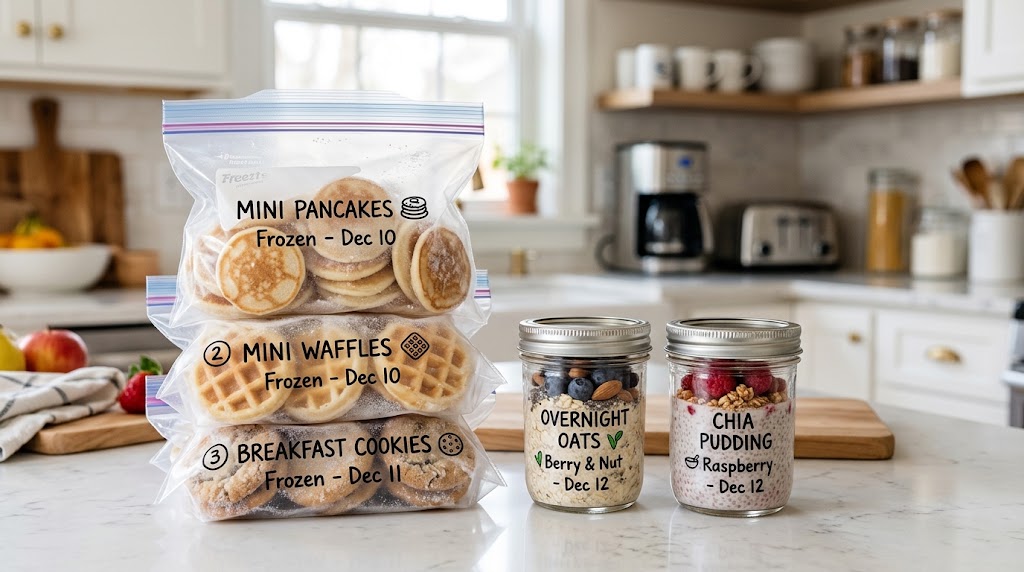
What are the best storage, freezing, and reheating methods for batch-cooked breakfasts?
Proper food storage is what makes batch-cooked breakfasts work. A streamlined system for your batch-cooked items saves precious minutes when you are rushing out the door.
- Freezing Individual Portions: Lay mini pancakes, waffles, breakfast cookies, and egg muffins in a single layer on a baking sheet to freeze individually. Then transfer them to freezer bags, which prevents clumping.
- Jar Meals: Prepare overnight oats or chia seed puddings in small mason jars with airtight lids. They stay fresh in the refrigerator for up to 4 to 5 days.
- Quick Reheating: Reheat frozen muffins or waffles in a toaster oven or toaster, or use a microwave in short 20–30 second bursts. Always test the temperature before serving to protect your toddler’s mouth.
- Smart Refrigeration: Store pre-sliced fruits in airtight containers with a tiny splash of lemon juice to prevent browning, and keep homemade yogurt parfaits sealed in the fridge.
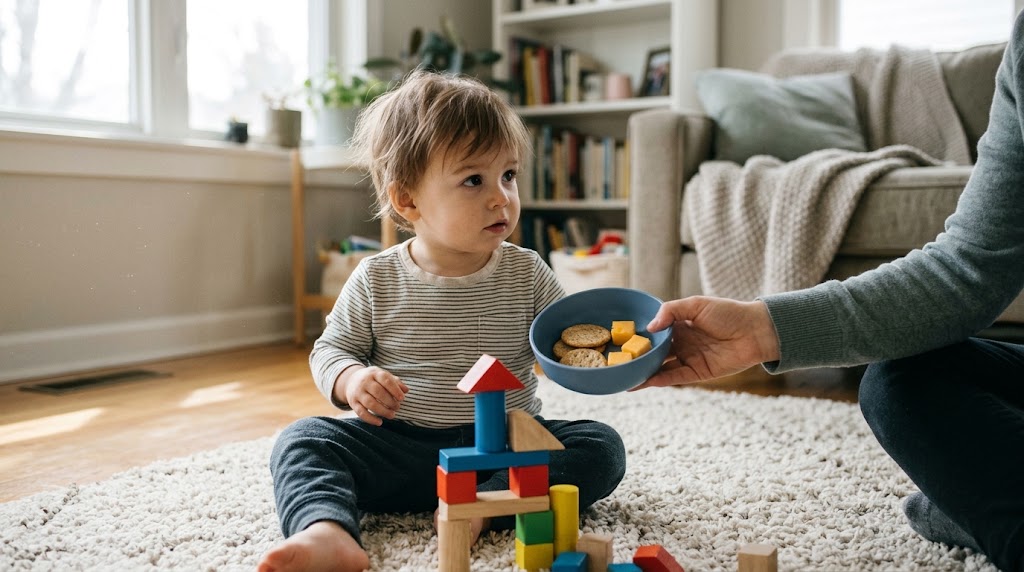
What should I do if my toddler has zero appetite in the morning or refuses to eat?
Low appetite at breakfast is entirely normal for toddlers. Many wake up with very little appetite, or eat lightly at breakfast and save their biggest appetite for lunch or dinner. If your child pushes their plate away, don’t panic or force them to clean it. Instead, adjust your strategy:
- Offer a Midmorning Snack: If breakfast is tiny, bridge the nutritional gap with a planned, structured snack (like yogurt, whole-grain crackers, or fruit) about two hours later.
- Embrace Flexibility: Reusing dinner leftovers (like cold noodles, rice bowls, or savory muffins) for breakfast is perfectly acceptable if that is what your child is willing to eat.
- Watch for Intuitive Cues: Trust your child’s natural hunger and fullness cues. Forcing, bribing, or turning breakfast into a power struggle often backfires, creating long-term anxiety around food.
When are morning food struggles a sign of a deeper feeding challenge or medical concern?
Ordinary picky eating is a typical developmental phase, but safety and health always come first.
Choking Prevention Guidelines
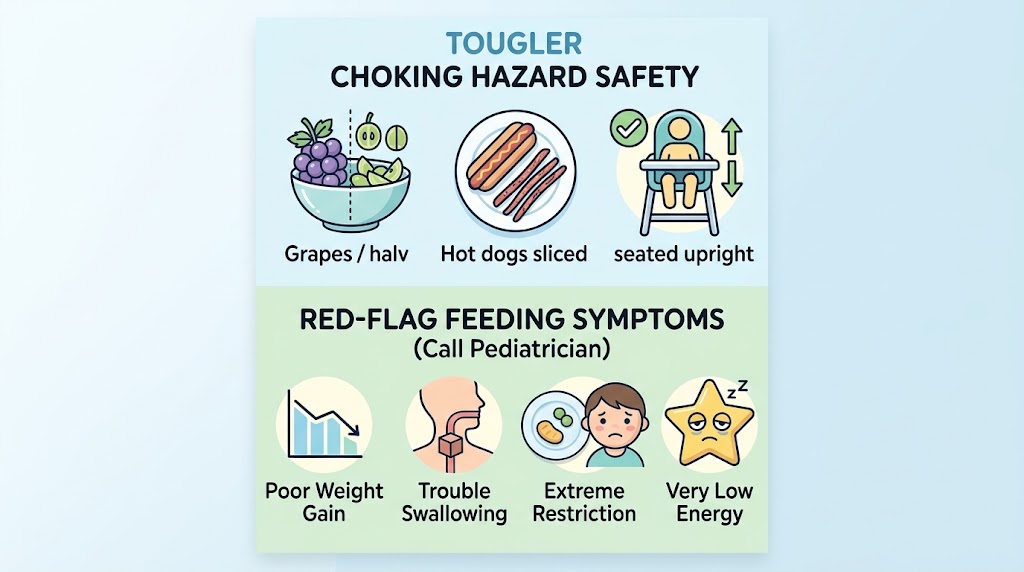
Always supervise your toddler while they eat. Toddlers are still learning to chew and swallow safely, so keep them seated upright in a high chair or booster seat. Never allow a toddler to eat while walking, running, playing, or lying down.
- Cut all round or firm foods (like grapes, cherry tomatoes, and hot dogs) lengthwise and into quarters.
- Steam, grate, mash, or soften hard produce like raw carrots and apples.
- Spread nut butters extremely thin rather than serving thick chunks or spoonfuls.
When to Call Your Pediatrician
Seek emergency medical care immediately if your child is choking, struggling to breathe, turning blue, or becoming unconscious.
Contact your pediatrician for an evaluation if you notice any of the following warning signs:
- Poor weight gain, weight loss, or growth curves that flatten or drop.
- Consistent trouble chewing or swallowing, frequent gagging, coughing, vomiting, or choking during meals.
- Pain with eating, chronic abdominal pain, or signs of an allergic reaction (such as a rash, facial swelling, or wheezing).
- Extreme food restriction, such as accepting only a handful of safe foods, a shrinking food list over time, complete reliance on nutrition drinks, or avoidance of all family and social eating situations.
- Very low energy, persistent lethargy, signs of dehydration, or eating nonfood items (pica).
A pediatric feeding disorder (PFD) is different from standard picky eating. It involves significant, age-inappropriate food refusal lasting more than two weeks, with medical, nutritional, or emotional impacts. It often requires a collaborative team approach with a pediatrician, pediatric dietitian, and speech-language pathologist.
Quick Summary
- Balanced Nutrition: Combine protein, whole grains, and fruits or vegetables at breakfast to fuel your toddler’s morning activity and provide essential fiber, calcium, and vitamins.
- Make-Ahead Powerhouses: Save time with batch-cooked freezer muffins, overnight oats, egg bites, and pre-sliced fruits to beat morning decision fatigue.
- Picky Eating Tactics: Keep routines predictable, serve small portions, pair new foods with favorites, and avoid mealtime pressure or force.
- Flexible Presentations: Adapt textures, flavors, and serving formats (such as fun shapes, smoothies, or dipping sauces) to suit your child’s preferences.
- Safety First: Always supervise meals in an upright seated position, modify choking hazards (like quartering grapes and thinning nut butters), and consult your pediatrician if you notice red flags like poor growth or severe swallowing difficulties.